
Keno | Keno Demo & gtaya Keno Guide
Keno is a number-draw cards game in which you select a set of numbers, watch the draw, and compare the matches with the displayed paytable. This guide gives a direct route from learning the Keno rules to making a measured decision on gtaya.
A Keno Demo is useful for learning the ticket layout and the pace of a draw before you commit a budget. When you are ready, gtaya Keno keeps the same easy sequence on a phone: choose, check, draw, and review.
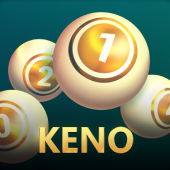 Keno
Keno
The Keno icon and the actions below open the official play route through Gtaya's existing secure entry flow.
style Keno and Other Cards Games to Explore
These compact cards are other cards records in the gtaya library. Tap an icon or title to use the site's normal game entry action.
 5 Card Poker
 Cards Hi Lo
 Coin Pusher
 Coin Toss
See the Keno Play View Clearly
The most useful Keno screenshot reference is the real local Keno game image above: it identifies the title without inventing a result or a payout. Use it alongside the live interface to notice the number board, ticket area, draw control, and result summary. A Keno Demo lets you inspect those interface landmarks at a relaxed pace.
The three captions describe what to observe rather than claiming that an icon is a live result. In the Keno Demo, confirm the selected numbers are visibly marked, check the stake summary before confirming, and read the result panel after the draw. The same checks help a gtaya Keno session stay easy to follow on a small screen.
How Keno Mechanics Shape Each Draw
The direct answer is simple: Keno is decided by the relationship between your chosen numbers and the numbers revealed in a draw. Your ticket size, stake, selected range, and the paytable determine how to read a result; no previous draw changes the next independent outcome.
1. Choose a manageable ticket
Start by looking at the number board and selecting only the numbers you can track comfortably. In a Keno Demo, try one consistent selection first so you can learn how the marks, ticket total, and confirmation state work. A clean ticket is easier to review than a rushed collection of taps.
2. Confirm the stake and draw
Before confirming Keno, read the stake line and any multiplier or draw-speed setting shown in the interface. The Keno Demo is a good place to practice this pause. In gtaya Keno, the confirmation step should be treated as a decision point, not as an automatic button to press repeatedly.
3. Compare matches with the paytable
After the draw, count the numbers that match your ticket and then consult the displayed paytable. Keno rewards depend on the game's own rules, so avoid importing a payout assumption from another cards game. If the paytable is not clear, stop and read it before starting another round.
Selection
Mark numbers deliberately and review the ticket.
Draw
Let the independent draw resolve the round.
Match
Compare the result with the paytable.
Review
Measure the session against your limit.
Randomness also means that a recent near miss does not make a number “due,” and a long run without a match is not a signal to raise the stake. This is the central Keno lesson for both practice and real play. A careful gtaya game routine uses the same sequence every time.
How Keno Compares Across Play Choices
The best choice depends on your goal: use Keno Demo for orientation, use a live Keno session only with a defined budget, and compare the interface rather than chasing a past result. This approach keeps the decision practical for a gtaya player.
| Choice | Useful for | What to check |
|---|---|---|
| Keno Demo | Learning the controls | Ticket marks and paytable |
| Keno play | A planned session | Stake, limit, and result |
| Other cards | A different pace | Rules and decision load |
Compared with a hand-based title such as Midas Fortune, Keno puts the emphasis on number selection and a quick result review. That does not make one format better; it simply changes the information you should read before playing. If you prefer a visual reel rhythm, keep that separate from the number-draw expectations of Keno.
A Keno Demo also differs from a gtaya game session because practice is for interface familiarity, not a promise of future outcomes. Players considering a broader gtaya slot download should compare the controls, pace, and budget rules of each format rather than treating slot behavior as a prediction for Keno. The useful comparison is the one that makes your next decision clearer.
For a second style of quick entertainment, Night Market is a real gtaya route to explore. Read its own rules independently; a different title cannot change Keno's draw or supply a system for forecasting it.
route A Simple Keno Route from Demo to Session
Use this five-step Keno summary whenever you open the game: learn the screen first, decide your limit second, and only then confirm a draw. The order matters more than speed.
-
1
Open the view.
Let the Keno Demo load if you are learning, then locate the number board, ticket total, draw control, and paytable.
-
2
Set the boundary.
Choose a session amount and a stop point before selecting numbers. A gtaya game is easier to enjoy when the boundary is decided in advance.
-
3
Select and read.
Mark a manageable Keno ticket and read the stake line twice. Keep the Keno Demo available until the tap sequence feels familiar.
-
4
Confirm one draw.
In gtaya Keno, confirm only after the ticket and paytable make sense. Watch the draw without changing the plan because of a near miss.
-
5
Review and stop.
Count matches, read the result, record the session if useful, and stop at your limit. Do not turn a gtaya slot download or any other search into a reason to extend Keno.
This Keno process works because every step has one purpose: orientation, control, selection, observation, and review. It leaves room for entertainment without pretending that a pattern can override an independent draw.
Keno Takeaways for a Clearer Session
The key answer is that Keno rewards careful reading of the current ticket and paytable, not predictions based on yesterday's numbers. Keep Keno Demo practice separate from real-money decisions and make gtaya Keno choices at a pace you can review.
- Read before tapping: Keno selection, stake, and confirmation details should all be visible before a draw.
- Keep randomness honest: A previous Keno result cannot make a number due, and a near miss is not a reason to increase exposure.
- Use practice properly: Keno Demo teaches the interface, not a winning sequence or a guaranteed return.
- Compare by purpose: A gtaya game with a different pace needs its own rules; do not borrow assumptions from cards, reels, or a gtaya slot download.
- Protect the stop point: Pause when the planned limit or the planned time is reached, whether the result feels good or disappointing.
- Explore responsibly: If you visit Open Sesame Mega, read its separate game information and keep that choice independent from Keno.
A useful final check: Can you explain your selected numbers, stake, stop point, and paytable reading in one sentence? If not, return to Keno Demo before taking another action.